
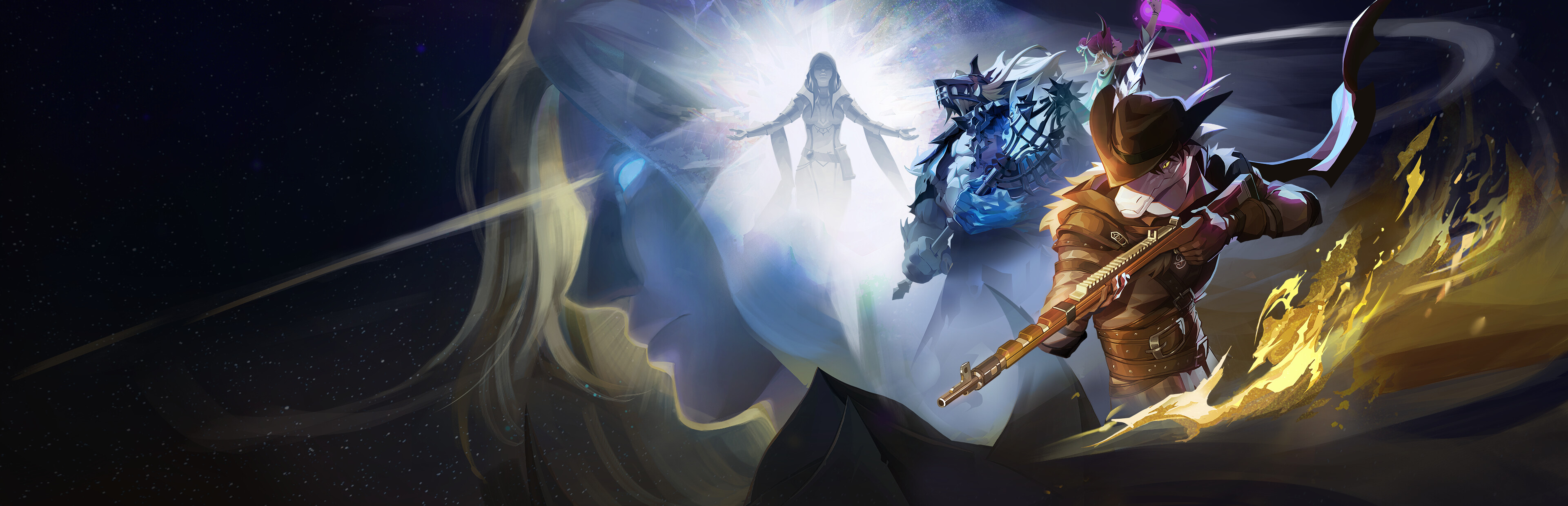
Navigating the surreal landscapes of Shape of Dreams requires more than just quick reflexes; it demands a deep understanding of the game's complex status effects. Among the most challenging hurdles players face is the shape of dreams oblivion debuff, a mechanic that often separates a successful run from a frustrating defeat in the final stages. As you delve deeper into the Ethereal Forest and beyond, managing the shape of dreams oblivion debuff becomes the cornerstone of your survival strategy, especially when attempting to reach the elusive Pure White Dream. Whether you are playing as the resilient Vesper or the agile Mist, understanding how these negative stacks interact with your character's scaling is vital for overcoming the game's most punishing encounters.
Table of Contents
What is the Oblivion Debuff in Shape of Dreams?
In the context of Shape of Dreams, mechanics often revolve around the stability of the dreamer's mind. The shape of dreams oblivion debuff (frequently associated with the late-game "Delusion" mechanics reported by the community) represents a state of mental and physical erosion. When this debuff stacks, players typically experience a significant reduction in combat effectiveness, often manifesting as decreased healing efficiency, reduced movement speed, or increased vulnerability to incoming projectiles.
Community reports from the Steam discussion boards suggest that this debuff becomes particularly prevalent during the third phase of the Primus boss fight. At this stage, the arena often shrinks, and the boss unleashes a barrage of fireballs and leaps that are difficult to track. The presence of the shape of dreams oblivion debuff during this "bullet hell" phase means that even a single mistake can lead to a rapid depletion of your health pool, as your natural sustain mechanisms are suppressed.
Quick Answer The Oblivion Debuff is a high-stakes status effect encountered in late-game zones and boss phases. It primarily targets the player's ability to recover health and maintain mobility, making it the primary cause of death in the Pure White Dream difficulty.
Character Resilience and Base Stats
Choosing the right Traveler is the first step in mitigating the impact of the shape of dreams oblivion debuff. Different characters have varying levels of base health and armor scaling, which dictates how long they can withstand the pressure of late-game debuffs. For instance, a character like Vesper, with high base health and armor scaling, can "facetank" certain mechanics that would instantly delete a glass-cannon character like Bismuth.
Below is a comparison of the base stats for the primary Travelers available in the game:
| Traveler | Base Health | Base Armor | Health Scaling / Lvl | Armor Scaling / Lvl | Role Description |
|---|---|---|---|---|---|
| Aurena | 220 | 3 | +20% | +1 | Expelled Sage / Battle Healer |
| Bismuth | 170 | N/A | +20% | N/A | Sustained Ranged DPS |
| Cetus | 265 | 2 | +25% | +1 | Ranged Fighter / Controller |
| Shell | 250 | 2 | +25% | +1 | Manufactured Assassin |
| Lacerta | 220 | N/A | +20% | N/A | Sniper / Gunpowder Expert |
| Mist | 250 | 2 | +25% | +1 | Noble Duelist / Agile Fighter |
| Vesper | 280 | 3 | +25% | +2 | Ruthless Inquisitor / Tank |
| Yubar | 180 | N/A | +20% | N/A | God of Stars / Magic DPS |
As seen in the data, Vesper and Cetus possess the highest survivability metrics. When the shape of dreams oblivion debuff begins to tick, Vesper’s superior armor scaling (+2 per level) provides a much-needed buffer against the chip damage that often accompanies the debuff's duration.
The Primus Boss Fight: Navigating the Oblivion Phase
The most notorious application of the shape of dreams oblivion debuff occurs during the confrontation with Primus. This fight is widely considered the "gatekeeper" of the Pure White Dream. According to player experience shared on Steam, the fight is divided into three distinct phases, each testing a different aspect of your build.
Phase 1: Arena Management
During the first phase, Primus will periodically destroy sections of the outer arena. Community members have noted that the amount of floor destroyed can feel random; sometimes only a few pieces fall, while other times the entire outer ring is removed, leaving only the center circle. Dealing high damage quickly is often cited as a way to transition the boss before he can wreck the floor, though some players report being punished with a smaller arena even if they kill the phase in seconds.
Phase 2: The Fireball Barrage
In the second phase, the boss throws out rings of fireballs. This is where mobility stars and dash charges become essential. If you are afflicted with the shape of dreams oblivion debuff here, your dash cooldowns may feel sluggish, making it nearly impossible to weave through the gaps in the projectiles.
Phase 3: The Delusion/Oblivion Peak
The third phase is where the "Delusion" or Oblivion mechanics peak. The boss becomes incredibly aggressive, leaping and dashing across the remaining floor pieces. Players who do not have a dedicated healing or shielding build often find this phase "impossible" because the debuff prevents them from recovering from the leaps.
| Phase | Key Mechanic | Impact of Oblivion Debuff | Recommended Counter |
|---|---|---|---|
| Phase 1 | Floor Destruction | High stress on positioning | High Burst DPS to skip cycles |
| Phase 2 | Fireball Rings | Reduced dash efficiency | Reverse Shield / Frost Shield |
| Phase 3 | Aggressive Leaps | Healing suppression | High Armor / Lvl & Life Steal |
Recommended Builds to Counter the Debuff
To successfully clear a run while under the threat of the shape of dreams oblivion debuff, you must balance offensive power with defensive utility. The community generally agrees that "glass cannon" builds are risky unless you are a "cybersportman" with perfect dodging skills. For the average player, "cheesy" sustain builds are currently the most viable path to victory.
The "Facetank" Healer (Aurena/Vesper)
This build focuses on overwhelming the debuff's healing reduction by stacking massive amounts of HPS (Health Per Second). By utilizing specific Essences like Embertail or Charcoal alongside high Ability Power scaling, these characters can heal through the damage even when the shape of dreams oblivion debuff is active.
The Shield Specialist (Cetus)
Cetus excels at providing shields to himself and his allies. Shields are particularly effective against the oblivion mechanic because they provide a "second health bar" that isn't always affected by the same healing reduction penalties. Using the Reverse Shield memory allows you to move through fireballs without taking damage, which is a literal lifesaver in the Primus fight.
The Burst Assassin (Shell/Mist)
If you can't outlast the debuff, you must outrun it. This build relies on high Attack Damage scaling (+4 per level for Shell) to end the fight before the stacks become unmanageable. Players have reported success using a "Level 42+ Quicksilver Spectral Bullet" build that deals upwards of 8,000 damage per shot, effectively skipping the most dangerous parts of the boss's final phase.
Pro Tip: Don't Go Full DPS As experienced players suggest, 80% of your damage will likely come from 50% of your build (2 core memories + passive). Use your remaining slots for mobility or defensive measures like Mass Protection, Frost Shield, or Parry to mitigate the risks of the final boss.
The Role of Stars and Essences
Stars are the primary way to customize your Traveler's power. They are categorized by their function, and choosing the right mix is crucial for handling the shape of dreams oblivion debuff.
- Attack Stars: Help you deal powerful damage and exert force. Essential for Phase 1 of the Primus fight to preserve the arena.
- Survival Stars: Hold the power to aid survival and support allies. These are your primary tools for countering the healing suppression of the oblivion debuff.
- Creative/Support Stars: Support life in The Rapids through creative means. Often provide utility like cooldown reduction or unique movement options.
- Flexible Stars: Can be equipped in any slot without efficiency loss, allowing for a balanced build.
Comparison of Defensive Essences
| Essence Name | Primary Effect | Synergy | Why use it? |
|---|---|---|---|
| Embertail | Fire-based Attack Effect | High Attack Speed | Constant chip damage to trigger life-steal. |
| Charcoal | Burn/DoT Effect | Ability Power | Great for sustained damage while dodging. |
| Frost Shield | Damage Absorption | Max Health Scaling | Best for Cetus or Vesper to tank meteors. |
| Divine Faith | Pure Sustain | Healing Power | The "cheese" element for out-healing debuffs. |
Community Insights: RNG and Balance
There is a significant debate within the Shape of Dreams Steam Community regarding the balance of the final encounter. Some players argue that the shape of dreams oblivion debuff and the associated boss mechanics are "cancerous" because they force players into a narrow range of viable builds.
"In 21 in-game hours, I've never seen someone beating the final boss respecting its mechanics," one player noted, suggesting that the only way to win is to heal for 400+ HP per second. Others counter this by stating that the boss is a "bullet hell" test, and that once you learn the patterns—such as walking between the split angles of the fireballs—the debuff becomes manageable.
A common pitfall is spending too much time in the early phases of the boss fight. If you take too long in Phase 1, the destruction of the arena makes Phase 3 essentially impossible because there is no room to dodge the debuff-applying attacks. The consensus is that players should aim for at least one mobility skill and one "emergency" defensive skill (like a parry or shield) rather than going 100% into damage.
Step-by-Step Strategy for Pure White Dream
If you are aiming to unlock the Pure White Dream achievement, follow these steps to manage the shape of dreams oblivion debuff effectively:
- Choose your Déjà Vu: Start with a Memory or Essence you have already mastered. This provides a baseline of power that you can rely on.
- Focus on Scaling: If playing Vesper, prioritize Armor and Health. If playing Shell, prioritize Attack Damage. Do not ignore your character's natural strengths.
- Collect "Flexible" Stars: These allow you to adapt your build mid-run if you find you are lacking the mobility needed for the final boss.
- Save the Arena: In the Primus fight, use your strongest cooldowns in Phase 1. Keeping the outer ring intact is the best way to ensure you have room to dodge the Phase 3 leaps.
- Identify the Debuff Icon: Keep an eye on your status bar. When the shape of dreams oblivion debuff appears, play defensively until it clears, or use a shield to wait it out.
RNG Arena Destruction Be aware that even with high damage, the arena destruction in Phase 1 can be random. If you find yourself with only the inner circle left, focus entirely on "last-second" dodging and use any invulnerability frames your character might have.
Conclusion
The shape of dreams oblivion debuff is undoubtedly one of the most challenging mechanics in the game, acting as a rigorous check on your build's sustainability and your personal skill. By understanding character stats, choosing the right stars, and preparing for the specific phases of the Primus fight, you can turn this daunting obstacle into a manageable part of your journey toward the Pure White Dream. Remember to check official updates on the Lizard Smoothie Steam Page for any future balance changes to these mechanics.
</hr>
FAQ: Shape of Dreams Mechanics
What exactly does the shape of dreams oblivion debuff do?
The shape of dreams oblivion debuff (often referred to as Delusion in higher difficulties) significantly reduces the player's healing received and can impact movement speed. It is most commonly encountered during the final boss fight and in the Pure White Dream difficulty tier, forcing players to rely on shields or perfect dodging rather than simple health regeneration.
Which character is best for surviving the oblivion debuff?
Vesper is widely considered the best character for beginners struggling with this debuff due to his high base health (280) and excellent armor scaling (+2 per level). Cetus is also a strong choice because his frost shields provide a buffer that isn't as heavily impacted by healing reduction.
Can I remove the oblivion debuff mid-fight?
Currently, there are no specific "dispel" mechanics that instantly remove the shape of dreams oblivion debuff. Instead, players must manage the debuff by using defensive memories like Reverse Shield or by maintaining enough distance from the boss to let the stacks decay naturally, though this is difficult in the small arena of Phase 3.
Is the Primus boss fight bugged?
Many players feel the fight is unbalanced due to the random nature of the arena destruction and the intensity of the third phase. However, it is not officially considered "bugged." The community suggests that using a mix of high burst damage and at least one defensive utility skill is the intended way to overcome the challenges presented by the boss and his debuffs.
Sources and known gaps
- Shape of Dreams Wiki Source accessed:
- Game balance is a complete cancer :: Shape of Dreams ... Source accessed: